What to Look For in a Ski


You must consider a number of factors when buying a ski. These factors include the width of your tip and length of your ski and the flex. The size of the ski is typically specified with three numbers, 115mm, 90mm, and 107mm, respectively. But, the length and flex are more subjective.
Leashes
Ski leashes are a great idea for many reasons. First of all, they will help you locate your skis in the snow in the event that you lose them. They are also lighter and cheaper than ski brakes. Thirdly, they can aid in finding your skis in the powder. They are only effective if you attach them to your skis.
Leashes should be as simple as it is. A leash should be as simple as you can. It is more difficult to remove a complicated dual-leash device while skiing. A leash that hangs loosely could make it difficult for a skier to keep from hitting their child.
Twin tip shape
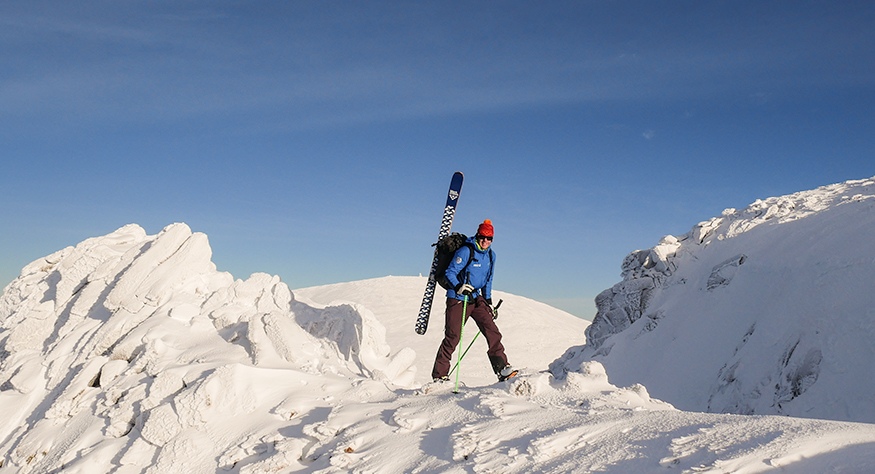
A twin tip ski has an upward-curved edge both on the front and back. There are many types of twin tip skis. They can be made in many ways. These shapes offer a variety of advantages, but they all have an upward-curved tip. Originally, the twin tip style was developed to aid skiers glide effortlessly across the snow while keeping control at high speeds. Nowadays, it is found on all-mountain skiing and sometimes , in carving skis.
Twin tips are very well-liked among snowboarders. The twin tip shape is very versatile and allows for a variety of tricks to be performed. Skiers and snowboarders usually share the same area in halfpipes or other areas for trick tricks.
Length
The length of your ski is essential to your style of skiing. Longer skis offer more stability at high speeds, while shorter skis are simpler to navigate. The length of your skis will be determined by the way you plan to attach them. Skis that are shorter will be more flexible when you are traveling at slower speeds. are a good choice for novices.
Beginners should choose the shorter end of the scale While advanced skiers choose longer skis for greater stability. As the skiing skill increases the length of skis will be determined by personal preference.
Material
The main component of the ski is its outer layer, which is made of different materials. Common materials include carbon fibers, and an epoxy type. Polyethylene is used as the base of skis. The base of the ski is easily scratched, but can be repaired using a polyethylene candle. cross country skiing Scotland is subject to sharp objects so it must be tough and durable.
The materials used in skis will vary from one manufacturer another. The material used in skis could differ greatly, depending on the performance desired. Certain skis are made of laminated wood cores and are surrounded by composite layers. Other components include a topsheet, edges, as well as an underside.